
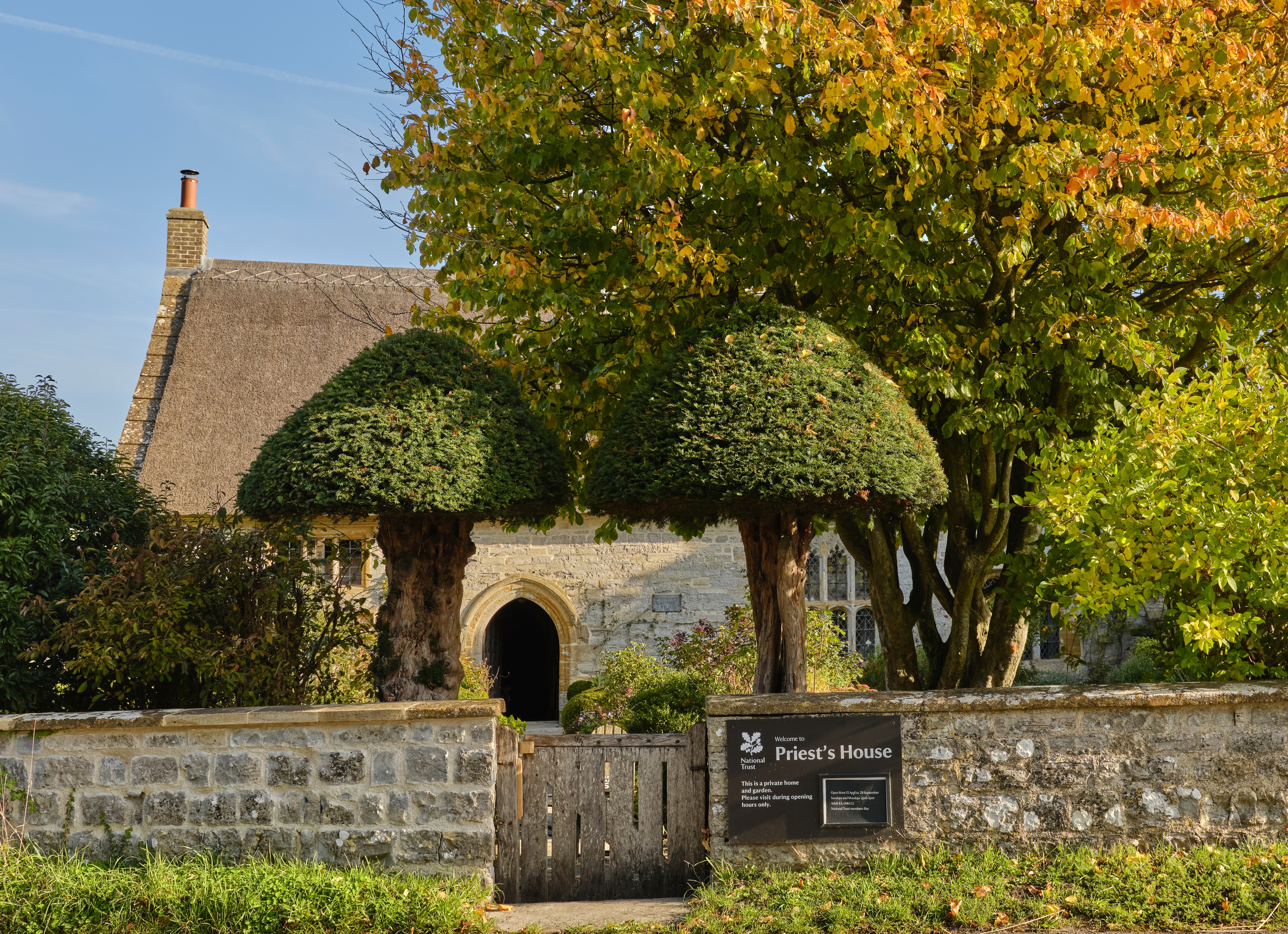
For decades, energy efficiency in historic buildings has been viewed with understandable caution. Concerns over moisture, unsuitable modern materials and damage to historic fabric often meant thermal upgrades were approached cautiously to avoid compromising heritage value.
Historic England state that a true “whole building approach” uses an understanding of a building in its context to find balanced solutions that save energy, sustain heritage significance, and maintain a comfortable and healthy indoor environment. (Energy Efficiency and Historic Buildings, 2018).
At Mitchell & Dickinson, we specialise in bespoke insulation, restoration and ventilation solutions for traditional and listed buildings. Every project begins with a detailed understanding of the building’s materials, moisture movement, thermal performance and historic significance to ensure improvements respect its heritage value.
In 2010, we insulated the Devon village of Clovelly to improve comfort, reduce heating costs and raise EPC ratings, while protecting its historic character. Early works focused on low-impact measures including loft and sloping ceiling insulation, alongside sympathetic draught-proofing.
Advanced Secondary Glazing Designed for Heritage Properties
Conventional glazing systems are rarely appropriate within listed and historically sensitive buildings. For Clovelly, during our second phase of work, and across many of our heritage projects, we use our bespoke CosyGlazing system specifically to achieve the optimum heat loss reduction while meeting conservation requirements.
Using lightweight Plexiglas panels with discreet magnetic fixings, CosyGlazing provides an almost invisible secondary glazing solution that improves heat retention while preserving the architectural integrity of historic windows. Designed for period and listed buildings, it allows windows to open and close as originally designed,while maintaining their original appearance.
A key advantage of CosyGlazing is its ability to work discreetly with traditional windows, including stone mullions commonly found in historic and listed buildings. Bespoke fixings allow the system to be integrated with minimal visual impact while preserving the original appearance of the window.
As part of any insulation upgrade, Mitchell & Dickinson also assess ventilation requirements. Where passive ventilation alone is not sufficient, mechanical ventilation solutions may be recommended. These can include demand-controlled ventilation (DCV), using smart humidity-controlled extract fans in bathrooms and kitchens, or mechanical ventilation with heat recovery (MVHR), where heat from stale outgoing air is transferred to incoming fresh air. MVHR systems are particularly effective in well-sealed properties or within individual rooms and zones.Whatever solution is most appropriate, our approach prioritises minimal intervention. Existing ventilation grilles and ducting routes are used wherever possible, core drilling through external walls is kept to a minimum, and any new ducting is installed discreetly.
We’re proud to support a wide range of heritage and institutional clients including;Royal Palaces, The National Trust, Exeter Cathedral, The Crown Estate, Northampton Cathedral, The Duchy of Cornwall and Wells Almshouses. Our solutions are designed to align with conservation principles and are well understood by many conservation officers and local authorities, with some advising that Listed Building Consent may not be required where our systems are being considered.
As the conservation sector continues to address energy efficiency and climate challenges, sensitive retrofit solutions will play an increasingly important role in ensuring historic buildings remain practical, comfortable and sustainable for future generations.